
6 Mistakes Businesses Should Avoid When Upgrading Their Energy Systems
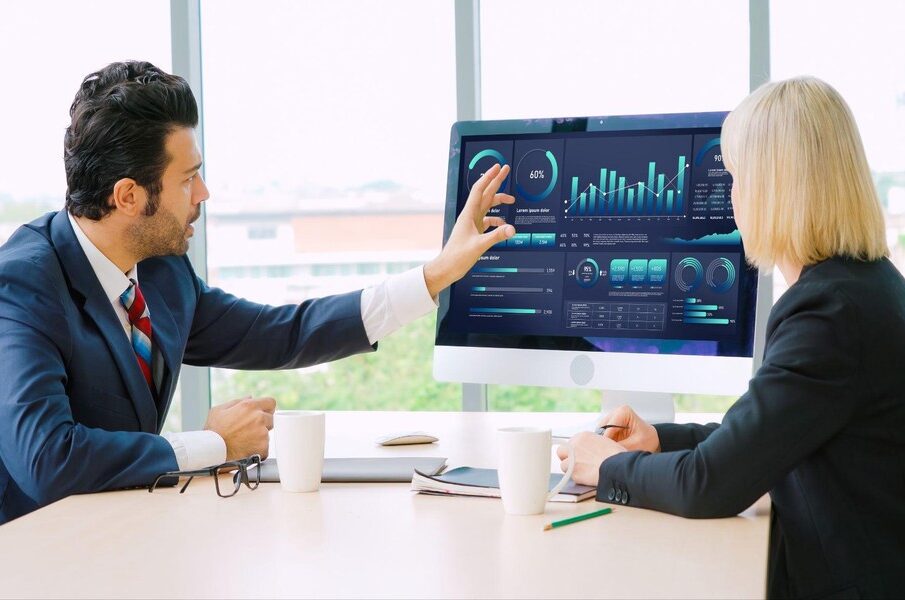
Upgrading a company’s energy system can bring long-term benefits, yet the process involves several decisions that influence cost, performance, and future stability. Many organisations want to improve efficiency, reduce waste, or support sustainability goals, but they sometimes overlook important details that affect outcomes. When businesses invest in sustainable renewable energy or integrate digital tools for monitoring, success depends on understanding how each component fits into their daily operations. Avoiding common mistakes helps companies build a reliable system that supports realistic goals instead of creating new points of confusion.
1. Treating Modern Energy Tools As Standalone Fixes
Some businesses approach new technology with the hope that it will solve their energy challenges immediately. It becomes a problem when they treat smart energy solutions as independent tools rather than part of a larger system. Digital monitoring only works effectively when the company interprets the results and adjusts processes accordingly. Without consistent follow-through, the data remains unused. A successful upgrade requires planning, routine checks, and a willingness to refine internal habits based on what the system reveals.
2. Ignoring How Daily Workflows Influence Energy Behaviour
Many organisations overlook how much daily routines influence consumption. Equipment schedules, cooling patterns, and staff movement shape energy use throughout the day. When companies adopt sustainable, renewable energy without reviewing these patterns, they may miss opportunities to optimise how renewables support peak periods. Understanding workflow behaviour helps businesses decide where renewable power fits, allowing them to place tasks during high production hours and reduce unnecessary strain on grid consumption.
3. Failing To Review The Condition Of Existing Equipment
New systems work best when paired with equipment that operates efficiently. Some companies skip this evaluation and integrate sustainable, renewable energy with older machinery that consumes far more power than expected. It weakens performance and hides inefficiencies that continue draining resources. Before making upgrades, businesses should assess the health of their existing systems to ensure that renewable energy complements equipment rather than compensates for long-neglected maintenance.
4. Overlooking Long-Term Scalability Needs
Energy upgrades require more than a short-term plan. Companies often focus on current needs without considering how their operations may expand. Smart energy solutions provide data that reveals growth trends, but this information is only useful when teams apply it. Organisations that overlook scalability risk create systems that cannot keep up with increased demand. Planning for expansion prevents disruptions and allows future upgrades to build upon a strong foundation instead of forcing the business to restart the process.
5. Misinterpreting Energy Data Or Reviewing It Too Infrequently
Data only provides value when interpreted correctly. Some organisations gather readings from modern energy solutions but fail to review them consistently. Others skim reports without understanding what the numbers signify. When data is misinterpreted, businesses may invest in the wrong adjustments or overlook opportunities that would have improved performance. Regular review sessions help teams track changes, understand trends, and identify unusual patterns before they escalate into problems. It supports stronger decision-making throughout the year.
6. Assuming Sustainability Goals Do Not Affect Daily Operations
Businesses often set sustainability targets without connecting these goals to everyday responsibilities. Sustainable renewable energy works best when paired with thoughtful planning that integrates environmental goals into daily routines. If teams assume these initiatives operate in the background without requiring changes, the benefits become harder to achieve. Reviewing usage patterns, understanding how renewable sources support operational loads, and aligning internal habits with environmental goals help the company create measurable progress instead of symbolic improvements.
Conclusion
Energy upgrades become more effective when businesses understand the challenges that appear during transitions. Avoiding these mistakes helps organisations build systems that support long-term reliability, cost-control strategies, and sustainability commitments. Whether the goal is to integrate sustainable renewable energy or adopt modern energy solutions for clearer monitoring, success comes from thoughtful planning and routine evaluation. When companies recognise how their habits, equipment, and growth patterns shape energy behaviour, they create systems that strengthen operational confidence and long-term stability.
Contact Flo Energy Singapore to learn how smart energy solutions and sustainable renewable energy can improve your company while assisting you in avoiding these blunders.