
Essential Steps for Effective Garage Door Repair You Can Tackle Yourself
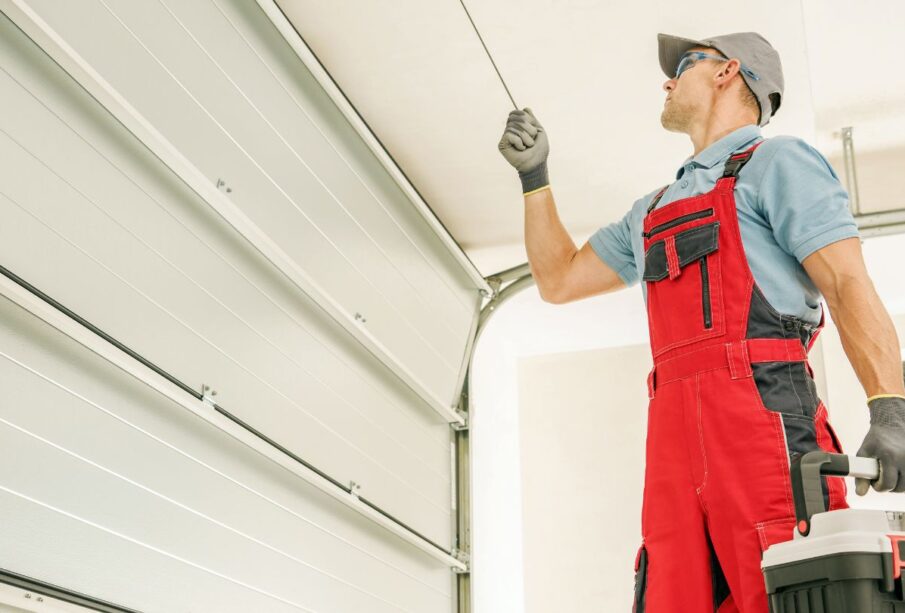
A noisy, stubborn, or broken garage door can ruin your morning before you’ve even backed out of the driveway. Many homeowners assume these problems demand an urgent (and costly) call to a pro. Yet, most common garage door issues are simpler and safer to fix than people think. Let’s bust the biggest myths and show you which repairs are truly within your reach.
Why DIY Garage Door Repair Is Often Misunderstood
Garage doors are heavy and loaded with moving parts, so it’s no wonder many people fear handling them. Images of springs snapping or doors crashing down fill online forums, amplifying anxiety. But the reality is, while some tasks require caution, many repairs are no more dangerous than standard home maintenance. Learning to spot the line between safe DIY and risky territory is the real key.
Common Fears About Safety and Complexity
Most DIYers hesitate because they worry about injury or making the problem worse. The fact is, garage doors are engineered with safety in mind, and with the right approach, basic repairs are accessible for most homeowners.
The Real Risks Versus Perceived Dangers
While replacing high-tension springs or cables can be dangerous, jobs like lubricating rollers, tightening bolts, or realigning tracks are both manageable and safe with simple tools. Understanding which issues are DIY-friendly is the first step to tackling repairs with confidence.
Myth 1: Garage Door Problems Always Require a Professional
Not every garage door issue needs a technician. In fact, many minor problems can be solved in minutes with basic tools.
Identifying Minor Issues You Can Fix Yourself
Stuck doors, noisy operation, and slow response often come from issues like loose hardware, debris on tracks, or worn-out rollers. If your door hesitates, check these simple culprits before calling for help.
Tools and Materials Every Homeowner Should Have
A few essentials cover most repairs:
– Adjustable wrench
– Screwdrivers (Phillips and flathead)
– White lithium or silicone spray lubricant
– Level
– Clean rags
Armed with these basics, you’re set for most entry-level fixes.
Myth 2: All Garage Door Springs Are Too Dangerous to Handle
Springs get a bad reputation, but not all are equally hazardous.
Understanding Different Types of Springs
Torsion springs are mounted above the door and carry significant tension, best left to professionals. Extension springs, which run along the sides, are less dangerous and can often be replaced safely with caution. Always unplug the opener and keep the door down when working with springs.
Step-by-Step Safe Spring Maintenance and Replacement Tips
For safe DIY:
1. Inspect springs regularly for gaps or rust.
2. Lubricate them twice a year with a non-greasy spray.
3. If replacing extension springs, use safety cables and replace both sides for balance.
Attempting torsion spring replacement is best avoided unless you have proper training.
Myth 3: Garage Door Repairs Are Expensive and Time-Consuming
Professional repairs can be costly, but many fixes are fast and free if you do them yourself.
How Simple Fixes Can Save Money and Time
Lubricating moving parts, tightening loose bolts, or cleaning photo eyes often restores smooth operation in under 15 minutes. These simple routines can spare you from inconvenient breakdowns and unexpected bills.
When to Know It’s Worth Investing in Professional Help
If your door is off-balance, the opener hums but the door won’t budge, or cables look frayed, these are signs to call an expert. Attempting repairs when high tension is involved is never worth the risk.
Myth 4: Garage Door Openers Are Difficult to Troubleshoot
A malfunctioning opener often triggers panic, but common problems have straightforward solutions.
Basic Diagnostics for Opener Malfunctions
First, check the outlet and remote batteries. Next, inspect the safety sensors for misalignment or dirt. Most opener issues trace back to power supply interruptions or blocked sensors.
DIY Fixes for Common Opener Problems
If your opener runs but the door doesn’t move, the disconnect switch may be engaged. Reconnect it and test again. For sticky remotes, reprogramming or battery replacement usually does the trick.
Myth 5: Proper Garage Door Maintenance Is Complicated
Routine care isn’t rocket science. A little attention goes a long way.
Easy Routine Checks to Extend Door Life
Inspect rollers, hinges, and cables monthly. Tighten any loose bolts and look for signs of wear. Test the auto-reverse feature for safety.
Lubrication, Cleaning, and Adjustment Tips Anyone Can Do
Apply lubricant to rollers, hinges, and springs twice a year. Wipe tracks with a damp cloth and ensure no debris is blocking the path.
Myth 6: You Need Specialized Knowledge to Align Garage Door Tracks
When a door sticks or squeaks, track misalignment is a frequent culprit.
Signs of Misalignment You Can Detect Early
Look for gaps between the rollers and the rail or listen for unusual grinding noises. The door may also appear uneven or drag when closing.
How to Realign Tracks Safely and Effectively
Loosen the track mounting brackets slightly, nudge the track into position with a level, and re-tighten. Test the door’s movement before finishing up.
When to Call the Experts: Knowing Your Limits
DIY has its boundaries, and it’s crucial to recognize them.
Warning Signs That Require Professional Intervention
Contact a pro if you see snapped cables, broken torsion springs, or if the door has fallen off its tracks. These situations carry genuine injury risks.
How to Choose a Reliable Garage Door Repair Service
Look for licensed, reviewed specialists with clear pricing, like those featured by Door Doctor. Their garage door repair services combine expertise with prompt response, helping you avoid bigger problems down the road.
Final Tips for Confident and Safe DIY Garage Door Repair
Preparation is your best friend. Before starting, unplug the garage door opener, gather your safety gear (gloves and safety glasses), and read your manufacturer’s manual. Keep pets and kids away during repairs. When in doubt, get a second opinion. Remember, a well-maintained garage door is safer, quieter, and lasts for years, often, all it takes is a few simple steps and a bit of know-how.