
How Efficient Retail Architecture Transforms Customer Experience and Boosts Sales
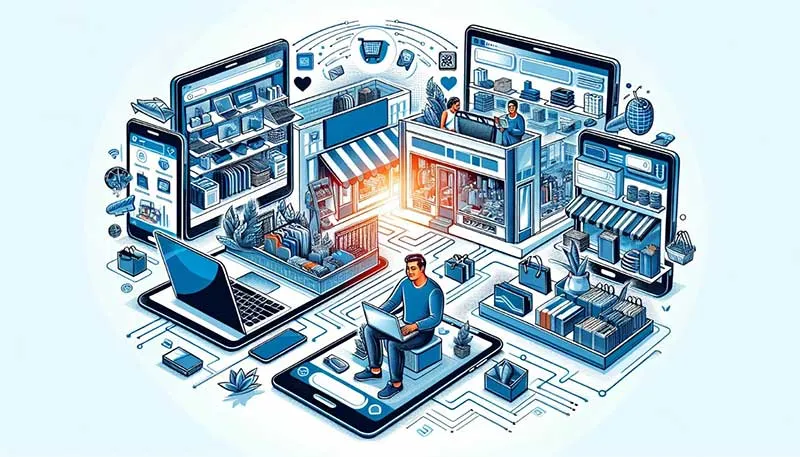
A shopper enters a store, pauses, and feels instantly at ease. The lighting flatters the products, the path through the aisles feels effortless, and each display invites exploration. These moments are not accidental, they are the result of efficient retail architecture working behind the scenes to shape every aspect of the customer experience.
What Is Efficient Retail Architecture and Why Does It Matter?
Efficient retail architecture blends purposeful design with commercial strategy. It is more than just arranging shelves and checkout counters. True efficiency harmonizes layout, ambiance, and function to maximize both customer satisfaction and business success. Poorly planned spaces confuse or frustrate shoppers, while a well-designed environment entices them to stay, browse, and buy. Ultimately, efficient architecture becomes a silent driver of loyalty and profit.
How Does Retail Architecture Influence Customer Experience?
A store’s physical design speaks volumes before a single greeting is exchanged. The rhythm and flow, mood, and even the tactile feel of the space determine how people interact with both the environment and the brand.
In What Ways Does Layout Affect Shopper Behavior?
A clear, intuitive layout guides shoppers seamlessly. When sightlines are open and key products are placed strategically, customers instinctively explore more of the store. Strategic design can subtly steer traffic to high-margin zones or seasonal displays. Conversely, poor layouts create bottlenecks and missed opportunities.
How Does Lighting and Ambiance Impact Mood and Engagement?
Atmospheric lighting is a powerful, often underappreciated tool. Warm, inviting hues can encourage relaxed browsing, while brighter, focused lighting draws attention to featured products. The right ambiance evokes emotion, shifting shopping from a chore to an experience. Background music, scent, and even spatial acoustics all work together, shaping how long people linger and how they perceive value.
What Role Do Materials and Finishes Play in Perceived Brand Value?
Materials and finishes are the tactile ambassadors of a brand. Natural woods, high-gloss metals, or soft textiles each send distinct messages. Premium finishes elevate perceived product value, making customers more willing to spend. On the other hand, inconsistent or low-quality finishes can undermine even the strongest brands.
How Can Retail Design Drive Sales Growth?
Design is not just about beauty, it is a tool to boost the bottom line.
How Does Traffic Flow Optimization Increase Purchase Opportunities?
Smart floor planning naturally guides shoppers past new launches or bestsellers, maximizing exposure. Wide aisles minimize crowding and frustration, while creative endcap displays nudge impulse purchases. By understanding shopper psychology, designers turn every step into a selling opportunity.
What Are the Effects of Interactive and Experiential Elements on Spending?
Today, shoppers crave more than products, they seek experiences. Interactive displays, product testing zones, and digital kiosks invite engagement. These elements create memories that forge deeper customer connections, which can both increase time spent in-store and lift average transaction values.
How Does Efficient Space Utilization Maximize Product Exposure?
Less is often more. Efficient space use prevents overcrowding and spotlights select items. Modular shelving and flexible layouts keep stores adaptable, ensuring that each product gets its moment to shine.
What Are the Key Features of Successful Retail Architecture Projects?
Forward-thinking design weaves together innovation, sustainability, and adaptability.
How Do Modern Technologies Integrate with Store Design?
Contactless checkout, digital wayfinding, and data-driven display management are transforming brick-and-mortar retail. These tools streamline the customer journey while providing valuable analytics for retailers. The challenge? Seamless integration so that tech feels natural, not intrusive.
What Sustainable Practices Elevate Both Experience and Efficiency?
Sustainable retail spaces attract eco-conscious shoppers. Use of recycled or renewable materials, energy-efficient lighting, and smart climate controls are not just ethical, they also reduce long-term costs. Well-crafted sustainable stores demonstrate responsibility without sacrificing style.
How Does Flexibility in Design Accommodate Changing Retail Needs?
In an era of fast-changing trends, stores must pivot quickly. Flexible fixtures, movable walls, and adaptable floor plans allow retailers to reconfigure spaces for new products or seasonal events. This adaptability protects investments and keeps shopping experiences fresh.
How Do Leading Architecture Firms Approach Retail Projects?
Expertise and close collaboration set the best projects apart.
What Lessons Can Be Learned from Stendel + Reich’s Retail Portfolio?
Looking at projects by retail architect Stendel + Reich, a few patterns emerge: holistic planning, attention to both operational and emotional needs, and a willingness to blend function with inspiration. Their portfolio spans everything from shopping centres to food processing, showing a depth of understanding that few can match.
How Is Collaboration Between Architects and Retailers Essential?
Dialogue between designers and store operators is crucial. The best results come from understanding operational realities, stocking, maintenance, customer flow, and integrating them into the design process from day one.
What Challenges Do Retail Architects Face and How Are They Overcome?
Every project brings hurdles, but thoughtful planning turns obstacles into advantages.
How Are Budget Constraints Balanced with Design Innovation?
Innovation often seems expensive, but creative solutions, like multi-use fixtures or phased upgrades, can maximize impact for every dollar spent. Quality over quantity is a guiding principle. Skilled architects know how to stretch a budget while delivering standout results.
What Are Common Pitfalls in Retail Architecture to Avoid?
Copying trends without considering location or clientele, neglecting maintenance needs, and underestimating the power of lighting or flow are frequent mistakes. Avoiding these pitfalls requires a laser focus on both the big picture and the smallest details.
How Will the Future of Retail Architecture Shape Customer Experience and Sales?
What Emerging Trends Are Redefining Retail Spaces?
Hybrid shopping (combining physical and digital), immersive storytelling environments, and health-focused layouts are shaping the next generation of stores. Adaptability is now a must, not a luxury.
How Will Data-Driven Design Transform Store Layouts?
As retailers harness shopper analytics, layouts will become increasingly tailored. Real-time data can optimize product placement, staffing, and promotions, creating ever more personalized and profitable experiences.
In the end, efficient retail architecture does more than house products, it curates journeys, forges memories, and quietly drives revenue in a fiercely competitive marketplace.