
What are the red flags when hiring a concrete contractor?
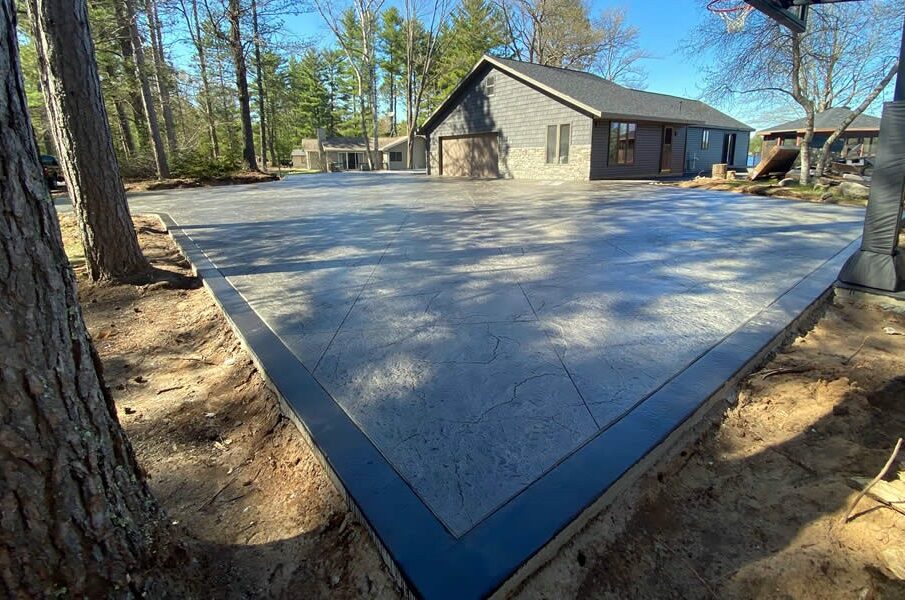
Choosing the wrong concrete contractor leads to long delays and high repair costs. Concrete work is permanent in a way that other home improvements aren’t. What gets poured and finished is what remains for decades. Recognising the signals that indicate a contractor is likely to deliver poor results or create a difficult project experience gives homeowners the ability to make a different choice before any commitment is made.
Urgency tactics
Contractors who push for same-day decisions or present limited-time pricing that expires if you don’t sign immediately are using tactics designed to prevent the comparison shopping and verification steps that protect homeowners. A concrete contractor maintaining a steady schedule engages clients according to planned timelines. They fill their calendar through reputation rather than pressure. Getting additional quotes from a concrete contractor signals discomfort. Established contractors with strong track records and competitive pricing welcome the comparison process. Resistance to that process suggests the contractor knows their quote or credentials won’t hold up well against alternatives.
Vague or verbal quotes
Check written estimates for materials, labor, and sub-base preparation. Without line-item breakdowns, lump-sum estimates are hard to assess. That vagueness creates conditions where scope reductions happen quietly during execution without the homeowner having documentation to reference. Watch specifically for these quote-related warning signs:
- No written documentation of materials specified, including concrete mix design and slab thickness
- Sub-base preparation is described vaguely, rather than specifying depth and material type
- Finishing approach left undefined, leaving room for substitution after signing
- Payment schedule requiring full payment or large upfront deposits before work begins
- No mention of permit requirements or confirmation that permits are included in the project scope
Credential evasion
Contractors who deflect when asked for license numbers, insurance certificates, or references from recent projects are providing information through that deflection. All contractors who have operated legitimately for any meaningful period have access to these documents immediately. If you receive hesitation, redirection, or promises to send documentation later that never arrive, investigate further. Checking a contractor’s business registration and licensing status takes minutes through state licensing board databases. Contractors who provide license numbers that don’t return valid results when checked have given false information, which tells you everything necessary about the reliability of everything else they’ve communicated during the sales process.
Cash-only payment requirements
The lack of receipts and formal invoicing leaves homeowners vulnerable to disputes. Throughout the project and afterwards, legitimate contractors accept multiple payment methods and provide formal invoices. Cash-only requirements frequently indicate unlicensed operation, unreported income, or both. Deposits exceeding 30 percent of the total project cost before work begins represent another financial warning sign. Standard practice involves a reasonable mobilization deposit followed by progress payments tied to defined project milestones. Front-loading payment in favor of the contractor before significant work is completed removes the homeowner’s primary leverage for ensuring the project gets finished to specification. Contractors who require full or near-full payment upfront and then perform poorly are difficult to pursue through any recovery process once the money has changed hands.