
Practical Benefits of Using Specialized Mattress Recycling Services
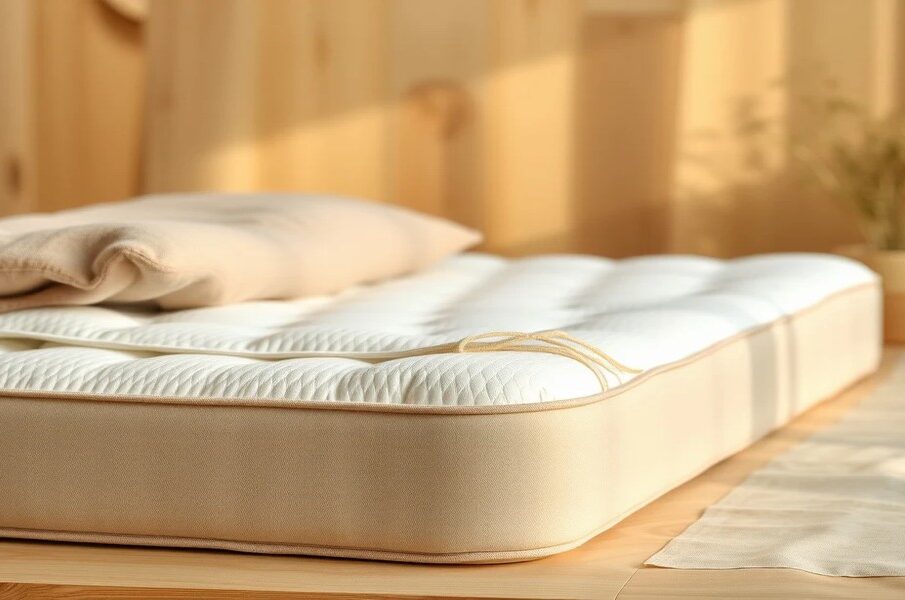
Mattresses are bulky, heavy, and notoriously difficult to dispose of responsibly. Yet, more than a million are discarded each year in North America alone, creating a hidden environmental burden. What happens when an old mattress leaves your home? The answer depends on which path you choose, and the impact is bigger than you might think.
Overview of Mattress Disposal Methods
Traditional Disposal: Landfill and Incineration
Historically, most used mattresses have ended up in landfills or incinerators. While this approach seems convenient, the consequences linger for decades. Mattresses contain metals, foams, and chemicals that leach into the ground or release toxins when burned. Compacted mattresses can take up to 23 cubic feet each, rapidly filling up limited landfill space.
DIY Recycling Attempts and Their Limitations
Some environmentally-minded consumers try to dismantle and recycle mattresses themselves. But these efforts often hit practical roadblocks. Separating metal springs, foam, and fabric by hand is labor-intensive and can expose people to dust, mold, or sharp edges. Moreover, most local recycling centers are not equipped to accept these separated materials in significant quantities.
Emergence of Specialized Mattress Recycling Services
Specialized mattress recycling services have emerged in response to these issues. Companies like Recyc-Matelas mattress removal offer professional collection, safe transportation, and a thorough recycling process designed specifically for mattresses. These services ensure that the majority of mattress components are diverted from landfills and reintroduced into the supply chain.
How Specialized Mattress Recycling Services Work
Collection and Transportation Logistics
Specialized recyclers operate with efficiency. They offer curbside pickup or centralized drop-off points, streamlining the removal of bulky items. Teams are trained to handle mattresses safely, minimizing environmental contamination during transport.
The Revolutionary Recycling Process Explained
Modern recycling facilities break down mattresses into their component materials, metal, foam, fabric, and wood. Each material is cleaned and processed for reuse:
– Steel springs become scrap for new products.
– Foam is repurposed into carpet padding or insulation.
– Fabrics and fibers find new life in industrial applications.
In Quebec and Ontario alone, over 400,000 mattresses are recycled each year through such advanced processes.
Key Differences from General Recycling Programs
Unlike generic recycling, specialized services handle complex mattress structures and contaminants. They ensure high material recovery rates and adhere to strict safety standards, which regular municipal recycling programs rarely achieve for bulky items.
Environmental Impact Comparison
Specialized mattress recycling is not just a feel-good initiative; it delivers measurable environmental benefits.
Landfill vs. Specialized Recycling: Waste Reduction Metrics
Mattresses recycled through advanced facilities divert up to 95 percent of materials from landfills, compared to nearly zero with traditional disposal.
| Region | Mattresses Recycled Annually | Landfill Diversion Rate |
|——————|—————————–|————————|
| Quebec & Ontario | 400,000+ | 95% |
| France | 1,000,000+ | 95% |
| Landfill | N/A | 0% |
Energy Consumption and Emissions in Each Method
Landfilling and incineration require heavy machinery and emit greenhouse gases. Specialized recycling, by contrast, consumes less energy per unit and significantly cuts carbon emissions by recovering and reusing materials.
Case Studies: Quebec and Ontario vs. France
Both Quebec and Ontario have adopted robust recycling programs modeled after European systems. France recycles over a million mattresses yearly, proving that large-scale specialized recycling is both feasible and effective.
Economic Benefits of Specialized Mattress Recycling
Cost Efficiency for Consumers and Municipalities
While upfront fees may seem higher, specialized recycling reduces long-term municipal landfill expenses and extends the usable life of landfill sites.
Job Creation and Industry Growth
This industry creates skilled positions in logistics, processing, and materials management. As recycling volumes grow, so does the demand for local labor.
Potential Revenue from Recovered Materials
Recovered steel, foam, and textiles can be sold to manufacturers, closing the loop on valuable resources and generating revenue that supports recycling infrastructure.
Quality and Safety Considerations
Health Risks of Improper Mattress Disposal
Old mattresses harbor allergens and bacteria. Abandoned or illegally dumped mattresses can become public health hazards, attracting pests or spreading mold.
Standards and Regulations in Specialized Recycling
Experienced recyclers follow strict regulations to prevent contamination and protect workers. Compliance ensures that recycled materials meet purity standards and can be safely reused.
Ensuring Material Purity and Reuse Potential
Advanced facilities utilize cleaning and sorting technologies that produce high-grade recovered materials suitable for further manufacturing.
Challenges and Limitations of Specialized Mattress Recycling
Geographic and Infrastructure Constraints
Rural areas and regions without established recycling facilities face logistical challenges. Transportation costs can limit access to services.
Financial and Operational Barriers
Building and maintaining specialized facilities requires significant investment, and recycling programs often rely on government incentives.
Public Awareness and Participation Issues
Many people remain unaware of the environmental hazards of mattress disposal or the existence of recycling options, hampering participation rates.
Future Outlook: Innovations and Expansion Opportunities
Technological Advances in Mattress Recycling
Automation and new sorting technologies are making the recycling process more efficient and scalable, reducing costs and increasing recovery rates.
Policy Trends Supporting Specialized Services
Governments are adopting policies that mandate mattress recycling or implement stewardship programs, stimulating industry growth.
Potential for Global Adoption and Scaling
With proven success in France and parts of Canada, the stage is set for worldwide expansion, turning a waste problem into an economic and environmental opportunity.
Choosing the Right Mattress Disposal Option
Selecting a disposal method involves weighing convenience, cost, and environmental impact. Specialized services simplify the process and offer the greatest environmental return, especially where municipal programs are lacking. To identify reliable providers, look for certifications, transparent processes, and positive community reviews. For those seeking a straightforward, effective solution, Recyc-Matelas mattress removal represents what responsible recycling should look like: efficient, safe, and good for both the planet and local economies.
| Method | Cost | Environmental Impact | Convenience | Material Recovery Rate |
|—————————-|———–|———————|————-|———————–|
| Landfill/Incineration | Low (short term) | Harmful | High | 0% |
| DIY Recycling | Variable | Moderate | Low | 10-30% |
| Specialized Recycling | Moderate | Highly Positive | High | Up to 95% |