
Medical Device Cleanroom Solutions for Controlled Manufacturing Needs
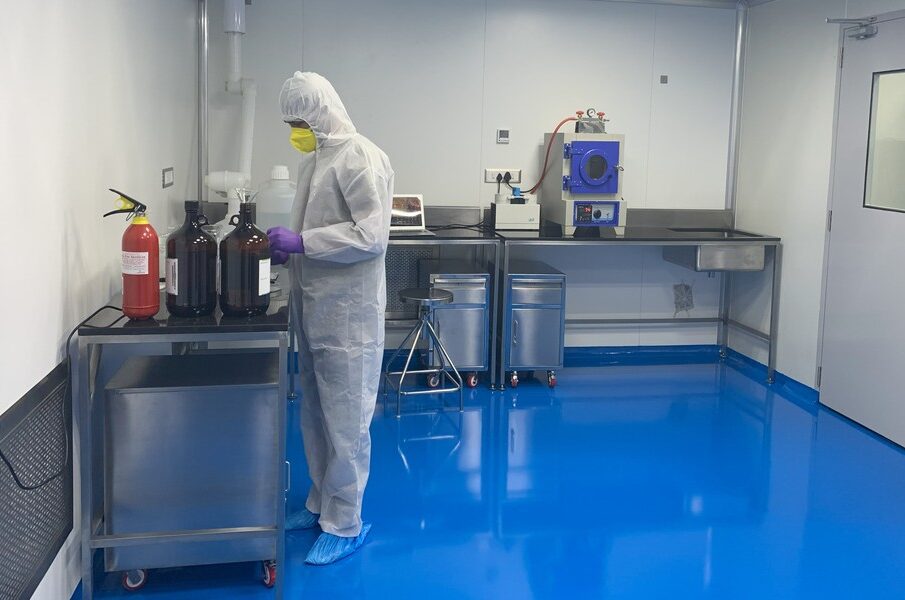
A medical device cleanroom serves as the controlled environment where manufacturers assemble, package, and inspect products that must remain free from contamination. In Singapore and across global markets, the demand for sterile medical devices has pushed manufacturers to invest in facilities that regulate airborne particles, temperature, and humidity to exact specifications. These facilities represent a significant capital commitment, but the alternative risks to patient safety and regulatory standing make them indispensable for certain device categories.
What a Cleanroom Does in Medical Manufacturing
A cleanroom controls the concentration of airborne particles within a defined space. Engineers designed these rooms to filter contaminants through high-efficiency particulate air (HEPA) systems, while operators follow strict gowning and handling protocols before entering. The entire system works as an integrated unit, with air handling, surface materials, lighting, and personnel behaviour all contributing to the controlled environment.
ISO Classification and Standards
The classification system for cleanrooms follows ISO 14644-1 standards. A 100K Cleanroom, rated at ISO Class 8, permits up to 100,000 particles of 0.5 micrometres or larger per cubic foot of air. This level of control suits the assembly of medical devices that require contamination reduction without the extreme restrictions of semiconductor-grade facilities. Higher classifications, such as ISO Class 7 or Class 5, impose stricter particle limits for devices with greater sterility requirements.
Not every medical device requires cleanroom assembly. External-use products and devices without sterile barrier requirements can move through standard controlled environments. The distinction matters because cleanroom operations carry higher costs, and manufacturers must match the environment to the device classification and intended use.
Why Environmental Control Protects Patient Safety
Microscopic particles invisible to the naked eye can compromise a sterile device. A single contaminant on an implantable component may trigger an immune response, infection, or device failure once inside a patient. Manufacturers who assemble vascular catheters, drug delivery systems, and orthopaedic implants face this risk at every production stage.
Types of Contamination
Cleanroom environments reduce three categories of contamination:
- Airborne particulates that settle on exposed surfaces during assembly
- Microbial organisms that can colonise device components if humidity and temperature fall outside controlled ranges
- Chemical residues from cleaning agents or manufacturing fluids that may alter the biocompatibility of materials intended for human contact
“Singapore’s medtech sector has grown because manufacturers here recognise that quality systems and environmental controls are competitive advantages, not just regulatory requirements.” – Professor Lim Chwee Teck, National University of Singapore
Each contamination type demands a different mitigation strategy. A well-designed cleanroom addresses all three through integrated air handling, surface cleaning protocols, and personnel training programmes. Monitoring systems track particle counts in real time, alerting supervisors when levels approach classification thresholds so that corrective measures can begin before a breach occurs.
How Cleanroom Standards Shape Regulatory Compliance
Regulatory bodies across multiple jurisdictions require manufacturers to demonstrate environmental control during production. The U.S. Food and Drug Administration (FDA) expects manufacturers of Class II and Class III devices to maintain documented evidence of their facility conditions. The European Union’s Medical Device Regulation (MDR) imposes similar requirements for CE-marked products distributed within member states.
Quality Management Requirements
ISO 13485, the quality management standard for medical device manufacturing, includes specific clauses on work environment control. Manufacturers must document their cleanroom classifications, monitor particle counts at defined intervals, and maintain records that auditors can review during annual surveillance visits.
These requirements create a chain of accountability. The cleanroom classification links directly to the device risk profile, which connects to the regulatory submission, which determines market access. A manufacturer who cannot demonstrate proper environmental control during production may face delays, warning letters, or product recalls that damage both revenue and reputation.
The Role of Cleanroom Design in Production Efficiency
Cleanroom design affects more than contamination control. The layout of workstations, flow of materials, and placement of inspection equipment all influence production throughput. Manufacturers who plan their cleanroom configurations around lean manufacturing principles can reduce cycle times while maintaining sterility across every process step.
Airflow and Material Transfer
Pressure differentials between cleanroom zones prevent contaminated air from migrating into higher-classification areas. Key design elements include:
- Airlock entries that create transition zones between environments
- Pass-through chambers for transferring materials without breaching containment
- Dedicated material transfer corridors that keep production flow moving
Operators trained in aseptic technique complete their tasks within these controlled zones, and supervisors monitor compliance through visual observation and environmental sampling data.
AMT Medical operates 100K Cleanroom (ISO Class 8) facilities in Singapore that support sub-assembly and final packaging of contamination-sensitive medical devices. The company integrates cleanroom assembly with upstream precision moulding and downstream packaging under a single quality management system certified to ISO 13485 and ISO 9001.
Selecting a Cleanroom Manufacturing Partner
Medical device companies evaluating cleanroom manufacturer partners should examine several factors beyond the facility classification. The partner’s quality management system, audit history, and experience with specific device categories all influence the likelihood of a successful production transfer. A track record with FDA-registered devices or CE-marked products provides evidence that the manufacturer can navigate complex regulatory landscapes.
A capable cleanroom manufacturer maintains validated processes for each device type, with documented evidence of process capability studies, environmental monitoring data, and corrective action records. The manufacturer’s supply chain management practices also matter, because incoming materials must meet specifications before they enter the cleanroom environment.
Production scalability represents another consideration. A cleanroom partner who can support prototype quantities through to volume production reduces the risk of transferring processes between facilities during product commercialisation. Companies that choose a medical device cleanroom partner with integrated capabilities from tooling through sterile packaging gain both quality assurance and operational efficiency across the full manufacturing lifecycle.